

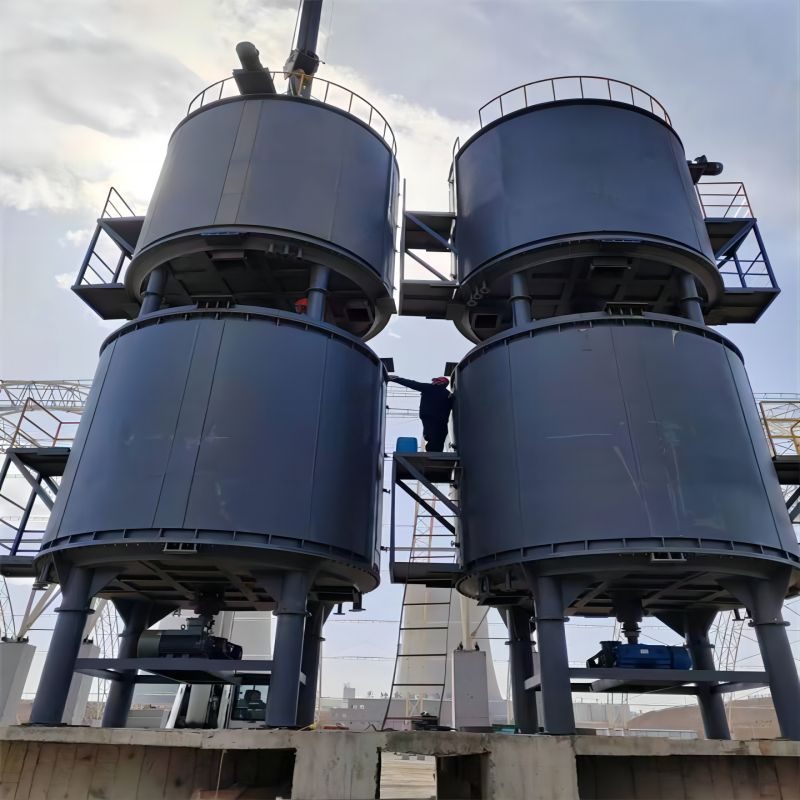
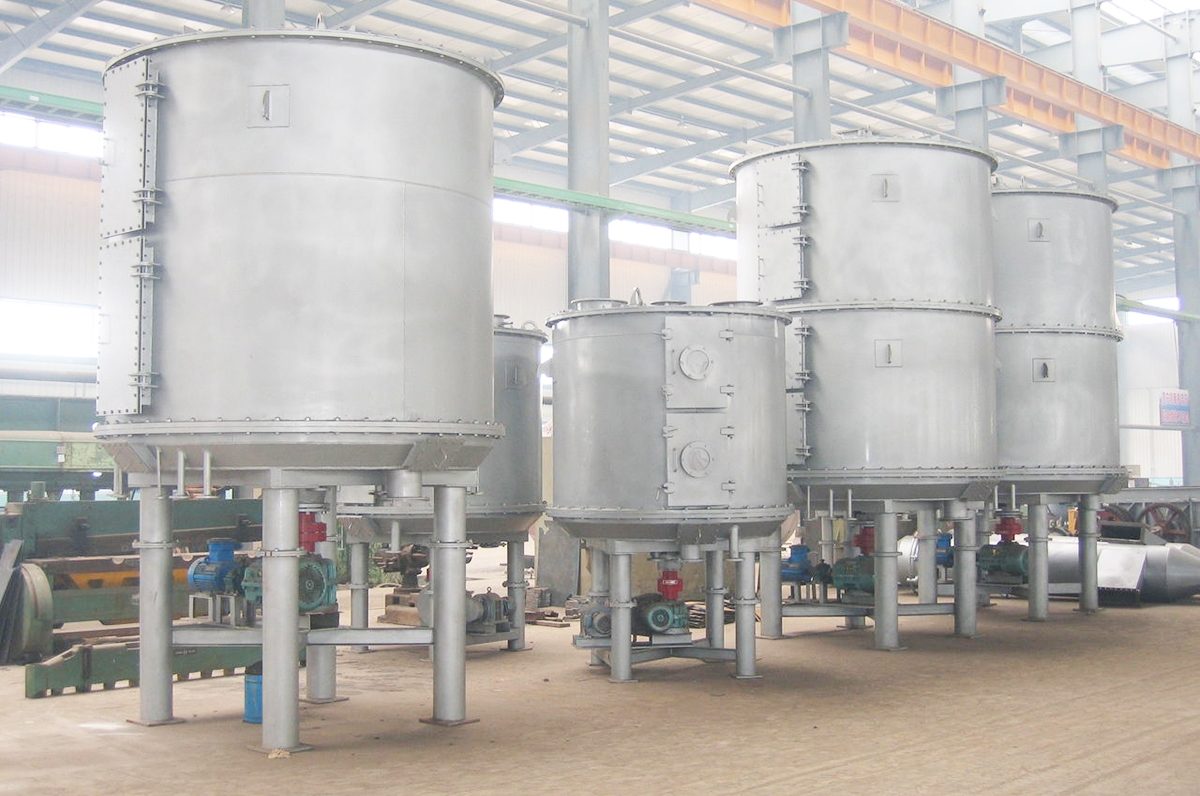
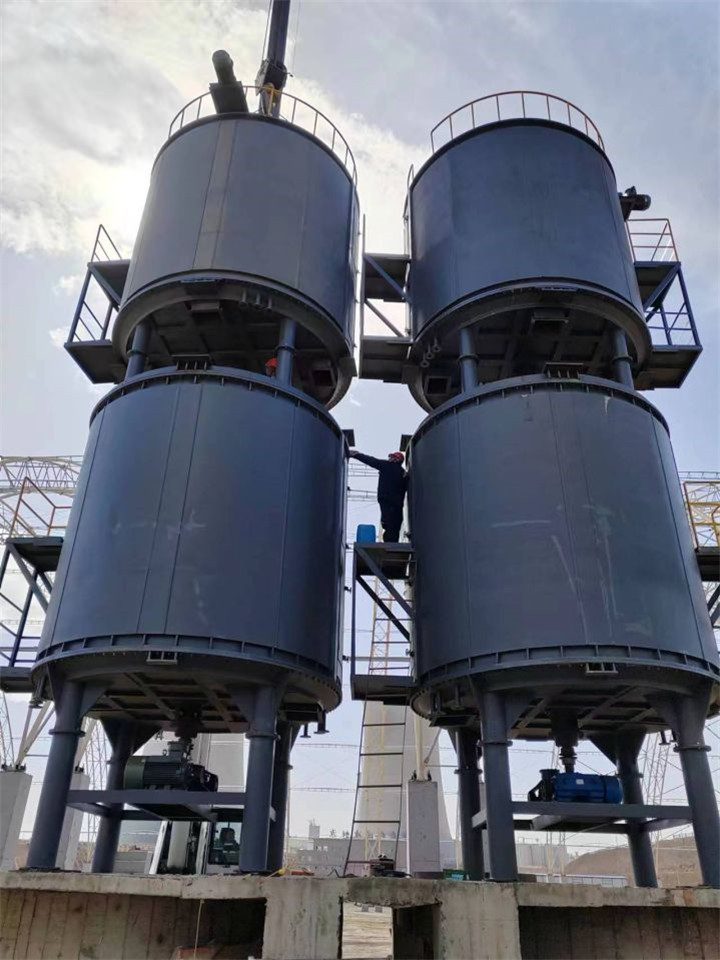
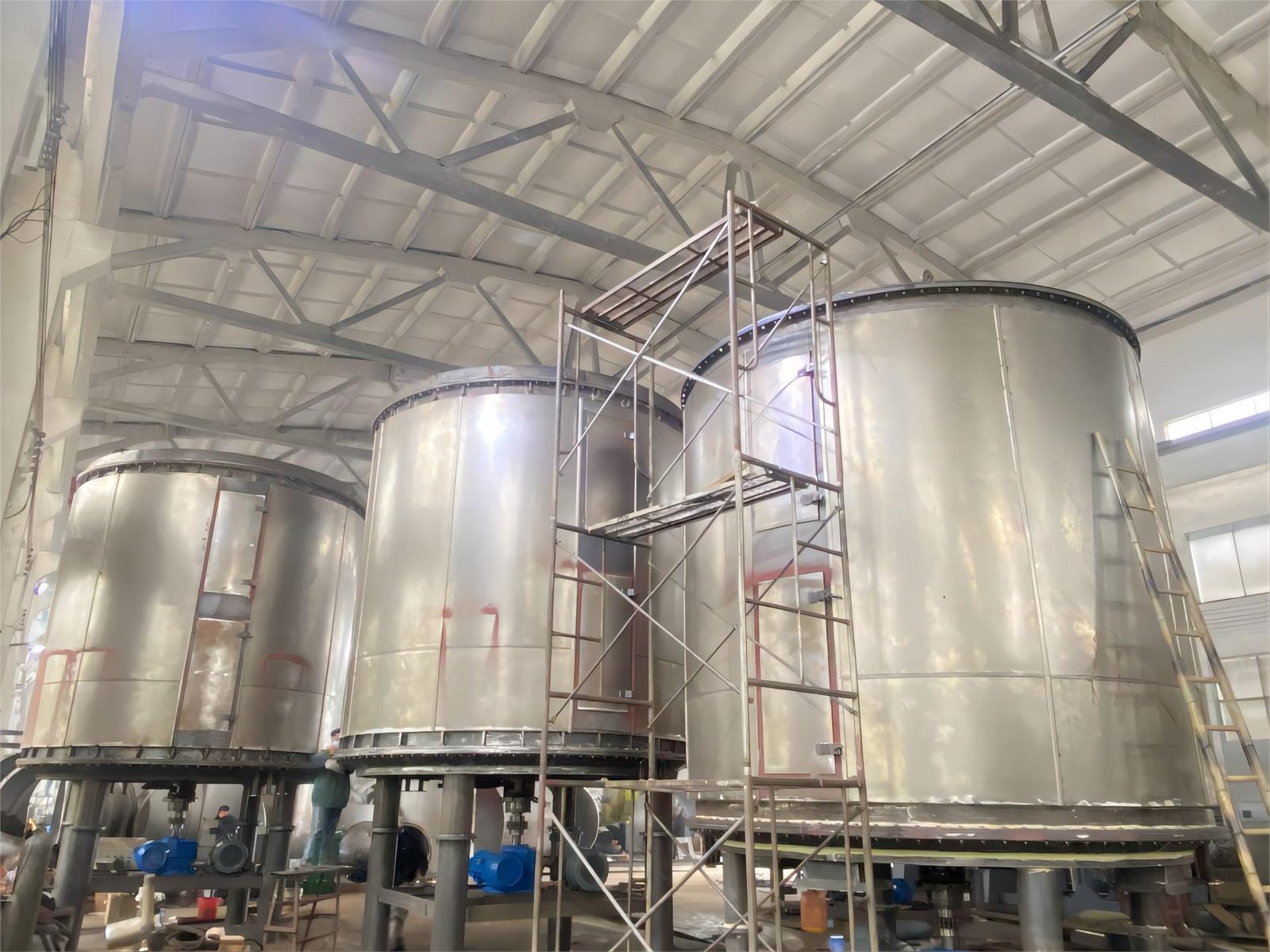
Disc Dryer
Product Overview
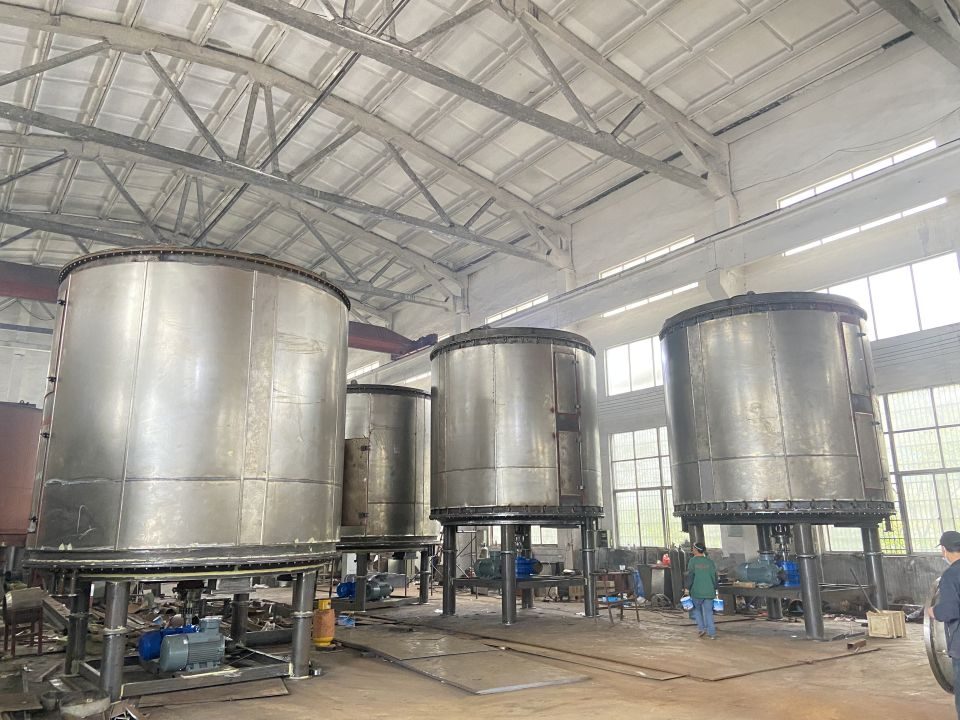
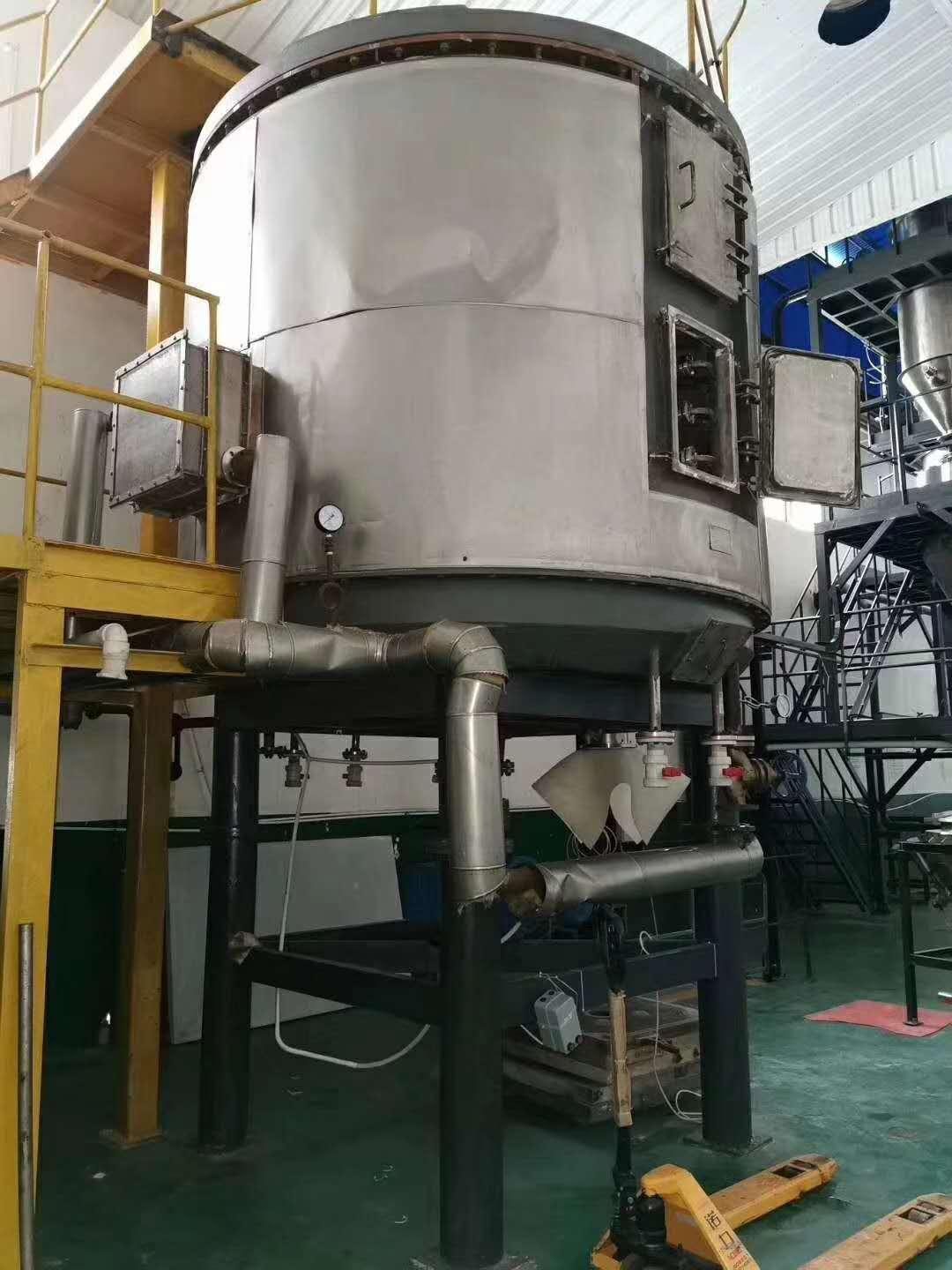
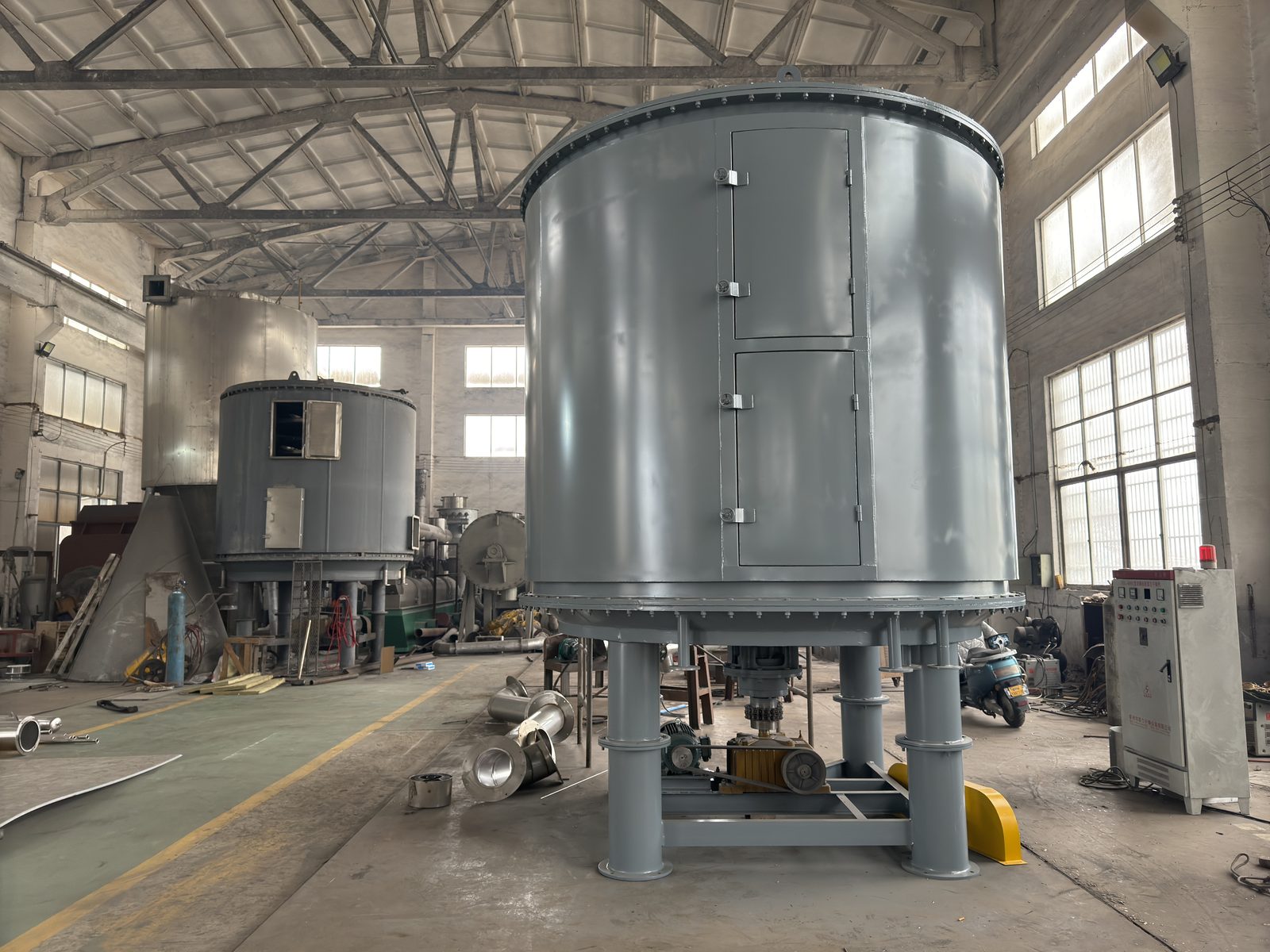
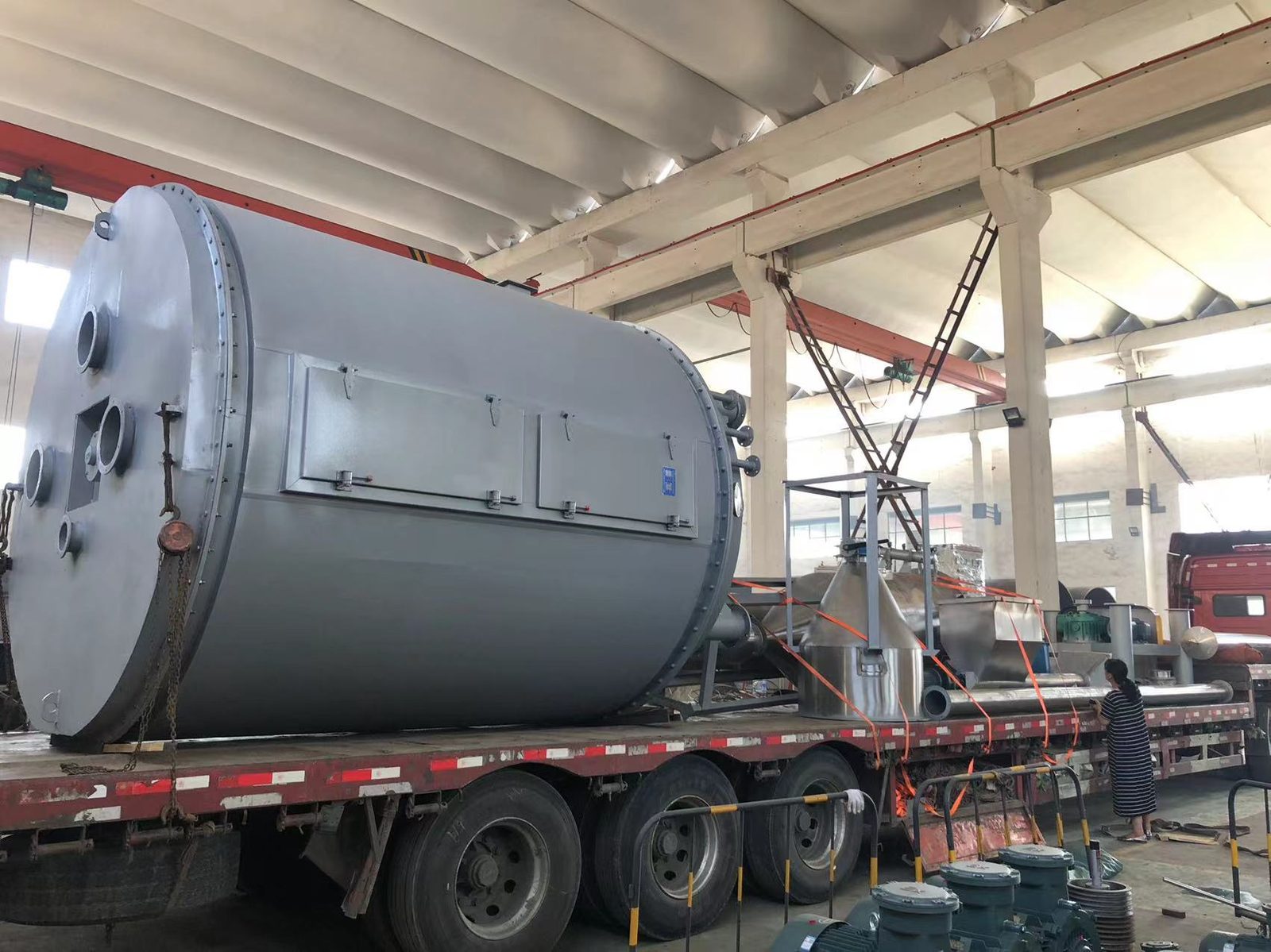
The disc continuous dryer is a high-efficiency conductive continuous drying equipment. Its unique structure and operating principle enable it to feature high thermal efficiency, low energy consumption, small footprint, simple configuration, convenient operation control, and optimal operating environment—characteristics that make it widely applicable to drying operations in the chemical, pharmaceutical, pesticide, food, feed, and agricultural by-product processing industries. Currently, it is produced in three types: atmospheric pressure, sealed, and vacuum, with four specifications: 1200, 1500, 2200, and 3000. It comes in three materials: A (carbon steel), B (stainless steel for evenly distributed contact material parts), and C (stainless steel, with steam piping, main shaft, and support added on top of B; the cylinder and cover top are lined with stainless steel). The drying area ranges from 4 to 180 m², offering hundreds of series of product models in total.
Working Principle
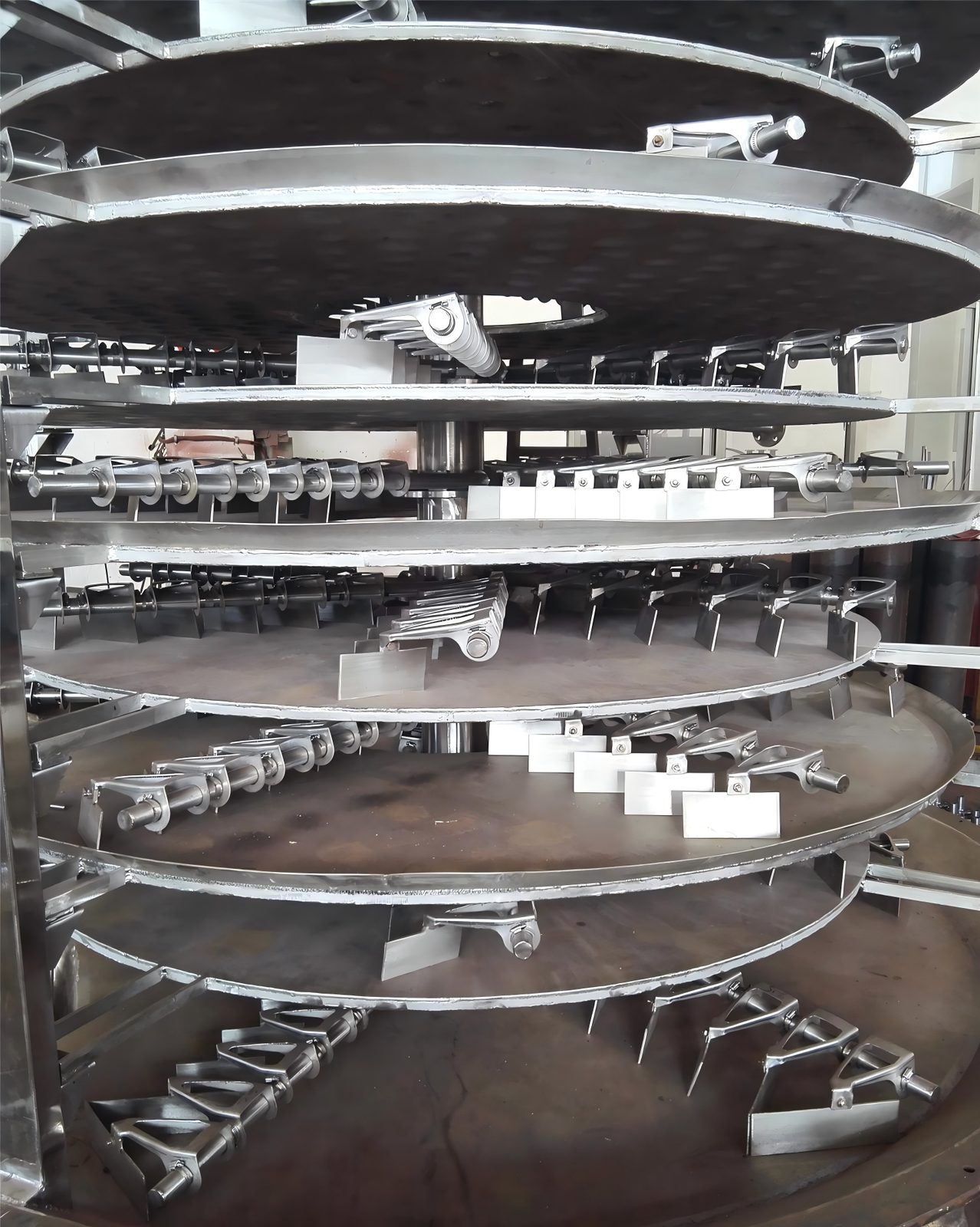
The wet material is continuously added by the feeding device to the first layer of drying plates at the upper part of the dryer, where the raking arm, equipped with raking blades, moves in a rotary motion, enabling the blades to continuously turn and stir the material. The material flows along an exponential spiral path over the surface of the drying plates: the material on the smaller drying plates is transferred to the outer edge and falls onto the outer edge of the larger drying plates below; on the larger drying plates, the material moves inward and falls through the intermediate discharge opening into the next lower layer of small drying plates. The large and small drying plates are arranged alternately up and down, allowing the material to flow continuously through the entire dryer. A heating medium (saturated steam, hot water, or heat transfer oil) is introduced into the hollow drying plates from one end and discharged from the other. The dry material falls from the last layer of drying plates to the bottom layer of the housing and is transferred to the discharge port by the raking blades for removal; the moisture is discharged via the top cover moisture discharge port, and the vacuum type is discharged via the vacuum pump port. The use of auxiliary equipment such as finned heater, solvent recovery condenser, bag filter, dry material return mixing mechanism, and induced draft fan enables enhanced production capacity, drying of paste-like and heat-sensitive materials, solvent recovery, and thermal decomposition and reaction operations.
Performance Features
- Easy to regulate and highly applicable: The drying process is optimized by adjusting the material layer thickness, spindle speed, number of raking arms, and rake blade shape and size; each drying tray can be individually supplied with hot/cold media, ensuring precise temperature control for the material; the material residence time is adjustable; the material flow is uniform with no backmixing, resulting in uniform drying and stable quality, eliminating the need for further mixing.
- Easy to use: The driving and parking operations are extremely simple; after the feed is stopped, the rake blades can quickly drain the material within the dryer; the large inspection window allows for meticulous cleaning and observation of the equipment’s interior.
- Low energy consumption: Thin material layer, low spindle speed, small transmission system power, low electricity consumption; drying by conduction heat, high thermal efficiency, low energy consumption.
- Good operating environment, recyclable solvents: Atmospheric top exhaust contains virtually no dust; enclosed solvent recovery unit enables nitrogen closed-loop circulation for flammable, explosive, and toxic materials; vacuum type is particularly suitable for heat-sensitive materials.
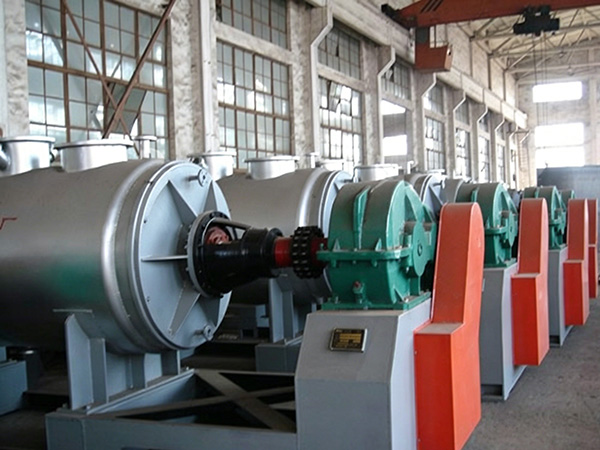
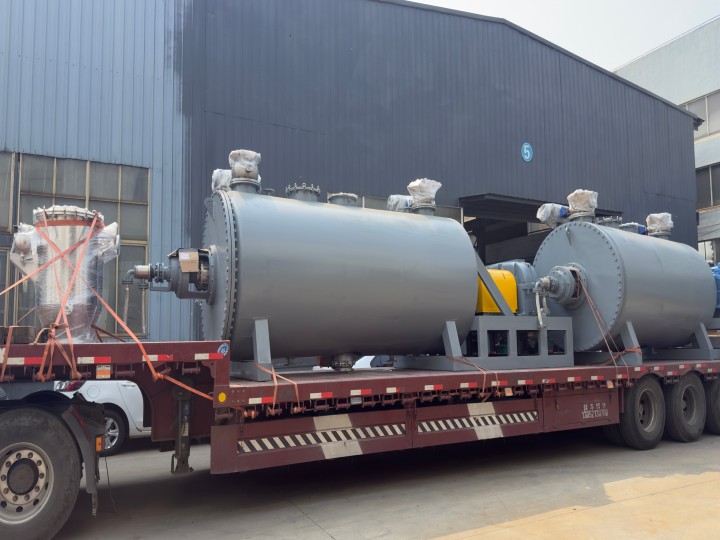
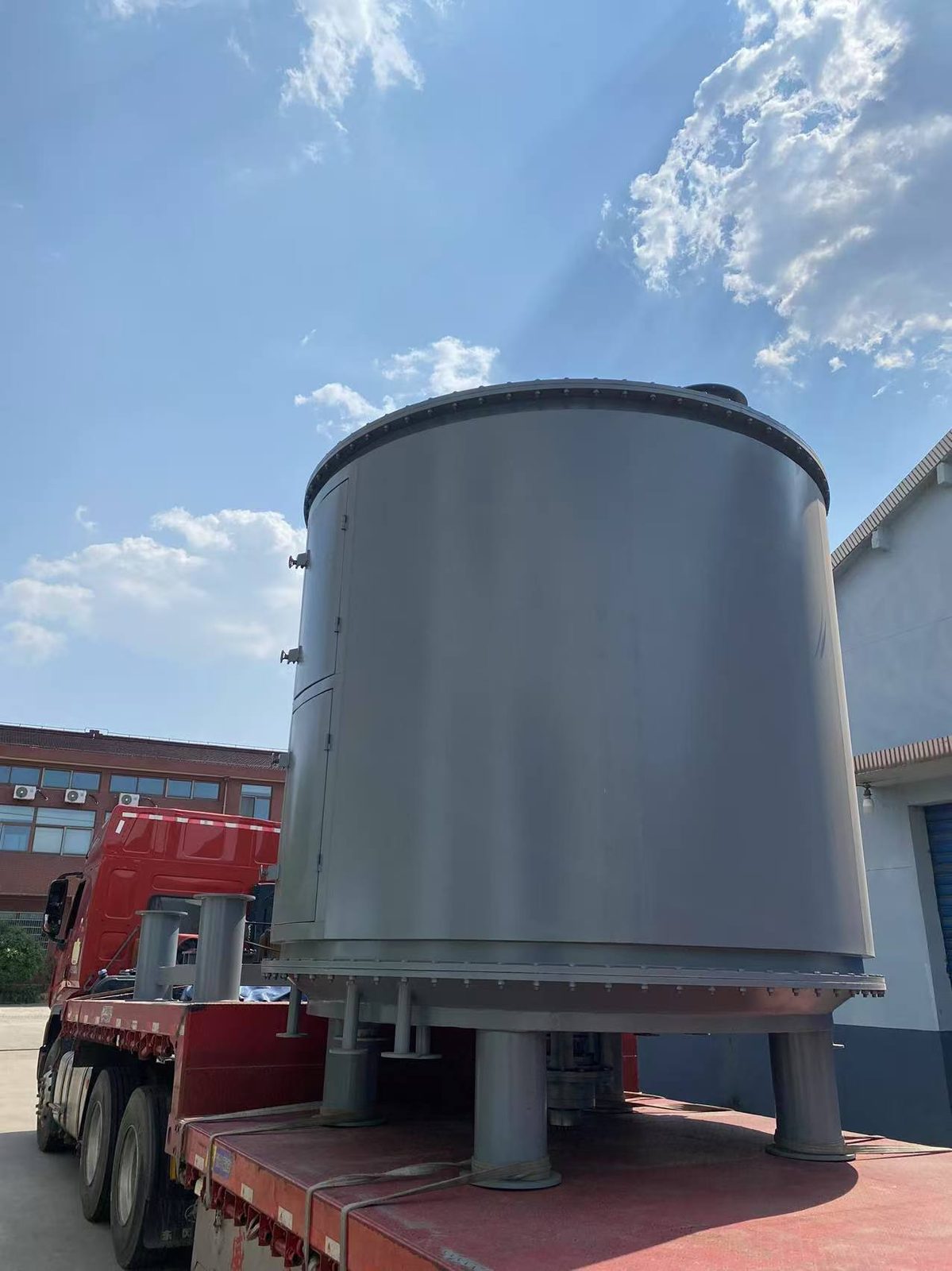
- Easy to install and small in footprint: Overall manufacturing and overall transportation – simply hoist and position. Dryer panel arrangement, vertical installation – large drying area with minimal space occupation.
Technical Specifications
- Drying Plate: Design pressure is generally 0.4 MPa, up to 1.6 MPa; the heating medium may be steam, hot water, or heat transfer oil (hot water at 100°C; ≤0.4 MPa saturated/superheated steam at 100–150°C; heat transfer oil at 150–320°C; electricity, heat transfer oil, or molten salt for >320°C).
- Material Transfer System: Spindle speed 1–10 r/min, electromagnetic or variable-frequency stepless speed regulation; 2–8 rake arms per layer; the rake blades are hinged and can float with the surface; a crushing roller can be equipped for materials prone to caking.
- Case: Normal pressure type (cylinder or octagonal prism, integral/split), sealed type (can withstand an internal pressure of up to 5 kPa), vacuum type (design pressure 0.1 MPa).
Adaptation of materials
Drying, pyrolysis, combustion, cooling, reaction, sublimation — organic chemical products, inorganic chemical products, pharmaceuticals, food, feed, fertilizers.
Technical Parameters
| Specifications | Outer Diameter mm | Height mm | Drying Area m² | Power kW |
|---|---|---|---|---|
| 1200/4 | Φ1850 | 2718 | 3.3 | 1 |
| 1200/8 | Φ1850 | 3558 | 6.6 | 1.5 |
| 1500/10 | Φ2100 | 3862 | 13.4 | — |
| 2200/10 | Φ2900 | 4159 | 30.8 | 4.0 |
| 2500/10 | Φ3150 | 4159 | 43.8 | 5.5 |
| 3000/10 | Φ3800 | 4650 | 60 | 11 |